
You’ve cleaned up your diet, upgraded your skincare, and your skin still won’t settle. If that sounds familiar, you’re not doing anything wrong. For many women, persistent breakouts have a hormonal side, and understanding it is often the missing piece. Hormones, stress, and diet can all contribute to ongoing skin issues, and knowing what’s driving your oily skin can help reduce breakouts.
How Acne Forms
Acne forms when your skin’s sebaceous glands produce excess sebum, which then mixes with dead skin cells and creates a sticky plug that clogs pores. Acne-causing bacteria feed off this excess oil and produce by-products that contribute to pimple formation. One of the key drivers of this excess oil production is androgens.
Androgens and Oily Skin
Androgens are sex hormones produced by the body’s reproductive organs and adrenal glands. When androgen activity is increased, the sebaceous glands are stimulated to produce more sebum, setting off the acne cascade described above. A shift in the balance between androgens and progesterone is often seen in women struggling with acne. This is why you might notice breakouts in the week leading up to your period, when both estrogen and progesterone fall and androgens have a stronger influence in comparison.
This hormonal shift is also seen in women with Polyendocrine Metabolic Ovarian Syndrome (PMOS), formerly known as Polycystic Ovary Syndrome (PCOS). Women with PMOS often experience symptoms of higher androgen activity, such as irregular cycles, cystic acne, weight gain, and hair thinning. Insulin resistance is a key driver for many women with this condition, hence its link to metabolic function. So how does insulin resistance develop?

Insulin and Blood Sugar
Insulin is the main hormone for controlling blood sugar. After we eat, insulin shuttles glucose (sugar) into our body’s cells for energy. Eating a diet high in sugar and refined carbohydrates causes your blood sugar level to increase, and over time this can lead to constantly elevated insulin and, in some people, insulin resistance. Higher insulin levels can increase androgen activity and oil production, which is one reason high-GI diets have been linked to acne.
Stress and Cortisol
Stress is another common trigger for breakouts, and no, it’s not just because of sweat. Have you ever noticed that when you’re under the pump at work, or you’ve been pushing your body really hard physically, your skin breaks out? That’s your body working in overdrive. Chronic stress stimulates the adrenal glands to release cortisol and adrenal androgens like DHEA. This rise in adrenal hormones and signalling molecules can influence oil production and inflammation, which can contribute to breakouts.
Where to Start
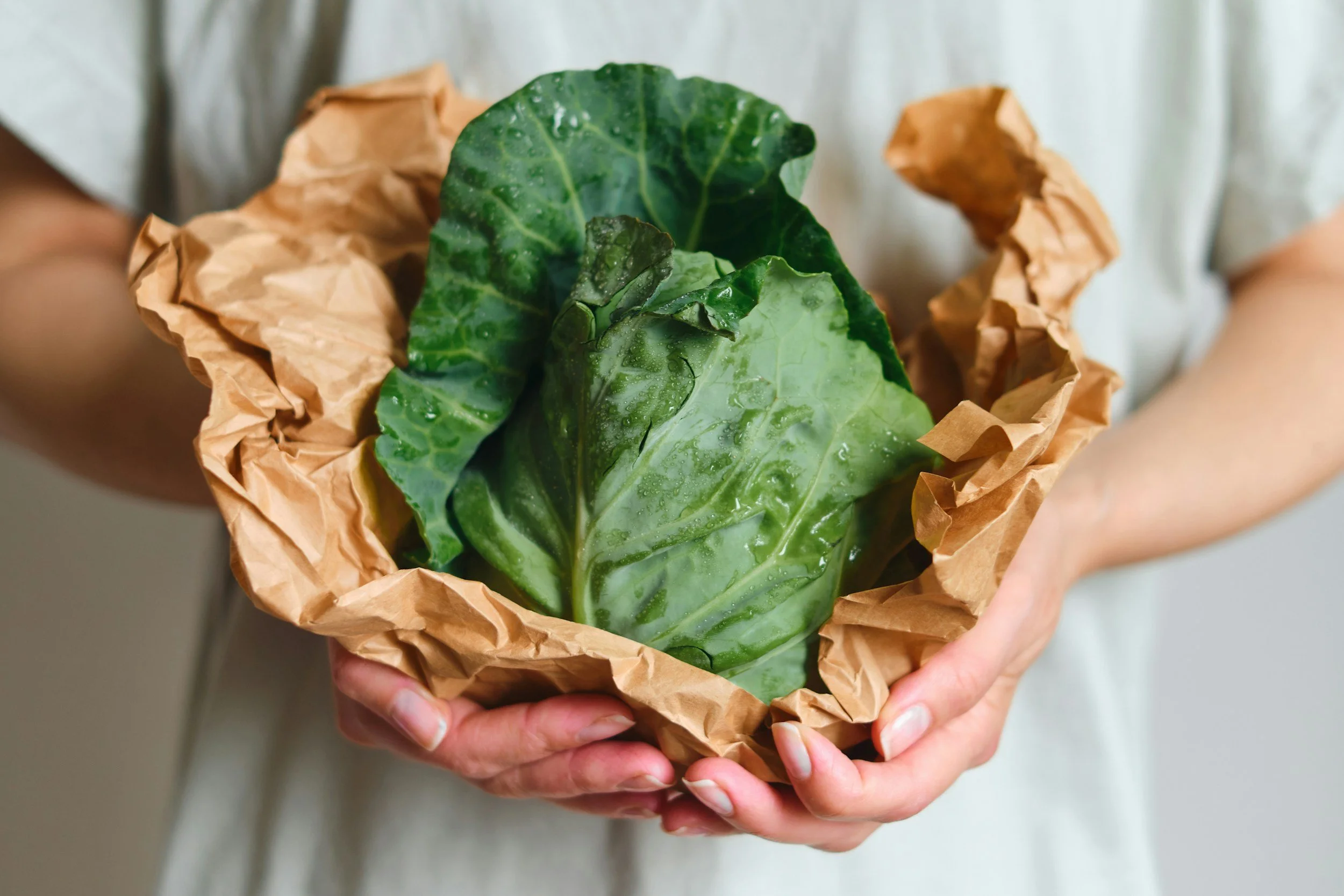
Support your liver: Your liver helps break down and clear hormones, including excess androgens and estrogen, so keeping it well supported is a natural part of hormonal balance. Include cruciferous vegetables like broccoli, cabbage and kale, plus leafy greens, and plenty of water.
Reduce sugar and refined carbohydrates: Swapping processed foods like white bread, white rice, and baked goods for lower-GI options such as legumes, quinoa and sweet potato can lower your glycaemic load and can help calm inflammation. Pairing carbohydrates with protein and healthy fats helps keep blood sugar steadier.
Consider reducing dairy: Dairy contains naturally occurring hormones and growth factors that may increase androgen activity for some people. If you suspect it’s a trigger, try taking a break from it and see how your skin responds.
Nutrients and Herbs: Nutrients such as chromium and myo-inositol can be beneficial for helping to balance blood sugar levels, while herbs such as chaste tree and peony may help support hormonal balance. They’re best taken under practitioner guidance, as they can interact with hormonal contraceptives and other medications.
Stress management: Build in a daily wind-down such as a walk, stretching or breathing exercises, and prioritise sleep, since poor sleep raises stress hormones and makes blood sugar harder to manage.
Supporting Your Skin From the Inside Out
Hormones are just one part of the picture. Starting with the foundations of food, stress and sleep, and supporting your body with targeted herbs and nutrients can benefit both your skin and your overall health. A healthy internal environment helps you glow from the inside out.
If you’re tired of guessing what your skin needs, I’d love to help you piece it together. Book a free discovery call to talk through your skin, cycle and diet.